2026 Chevrolet Blazer EV SS Review: A Very Fast Identity Crisis
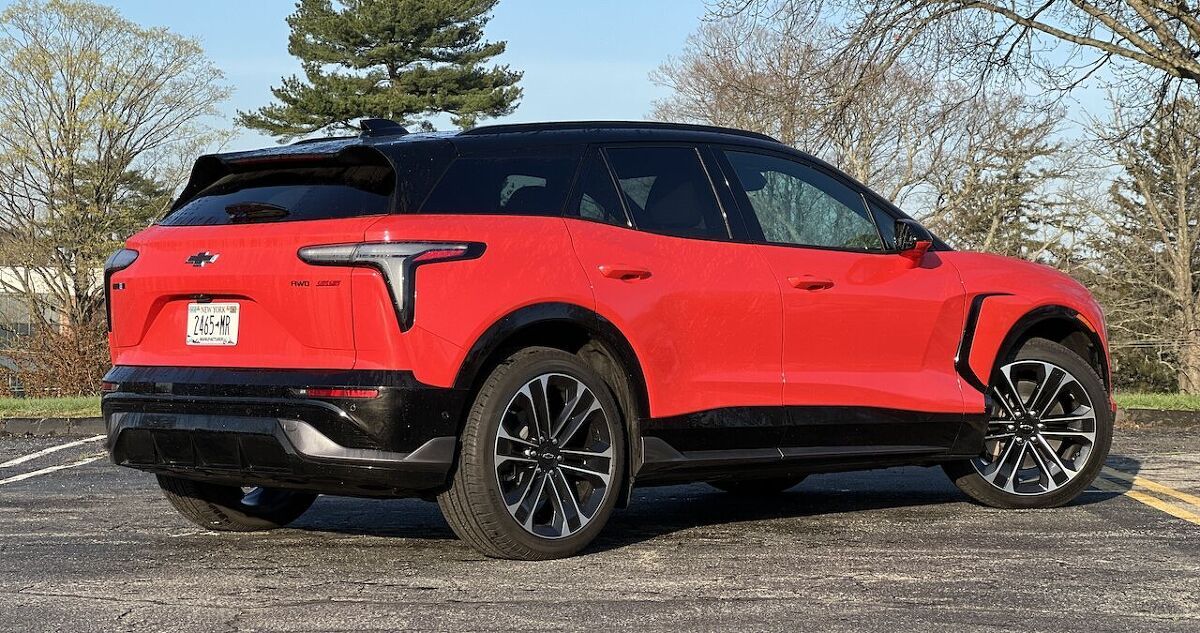
The joke goes that “all electric vehicles drive the same,” since it’s effectively impossible to distinguish how one battery deploys energy versus another. Differences in powertrains are what differentiate gas-powered vehicles, so for an EV to be memorable, it has to have something special: that extra quirk or fun factor or spice. Performance-focused EVs are tasked with this to an even higher degree, so Chevrolet threw 615 horsepower and 615 lb-ft of torque at the Blazer EV SS in order to make it noteworthy and exciting. After spending a week with a see-it-from-space-colored Habanero Orange Blazer EV SS, my findings and feelings toward it were, let’s say, mixed.
2026 Chevrolet Blazer EV SS: All The Details
Quick Take
Throwing the SS badge on an electric crossover is a bold choice, and the Blazer EV SS definitely performs well enough to earn the storied moniker. The car is a good time to drive and an easy one to spend time in, but the engagement factor we hoped for simply isn’t there.
What’s New for 2026:
Introduced for 2025, the Blazer EV (and the high-performance SS trim) only have slight software updates to show for 2026. A mid-cycle refresh is likely still a few years out.
Exterior Style:
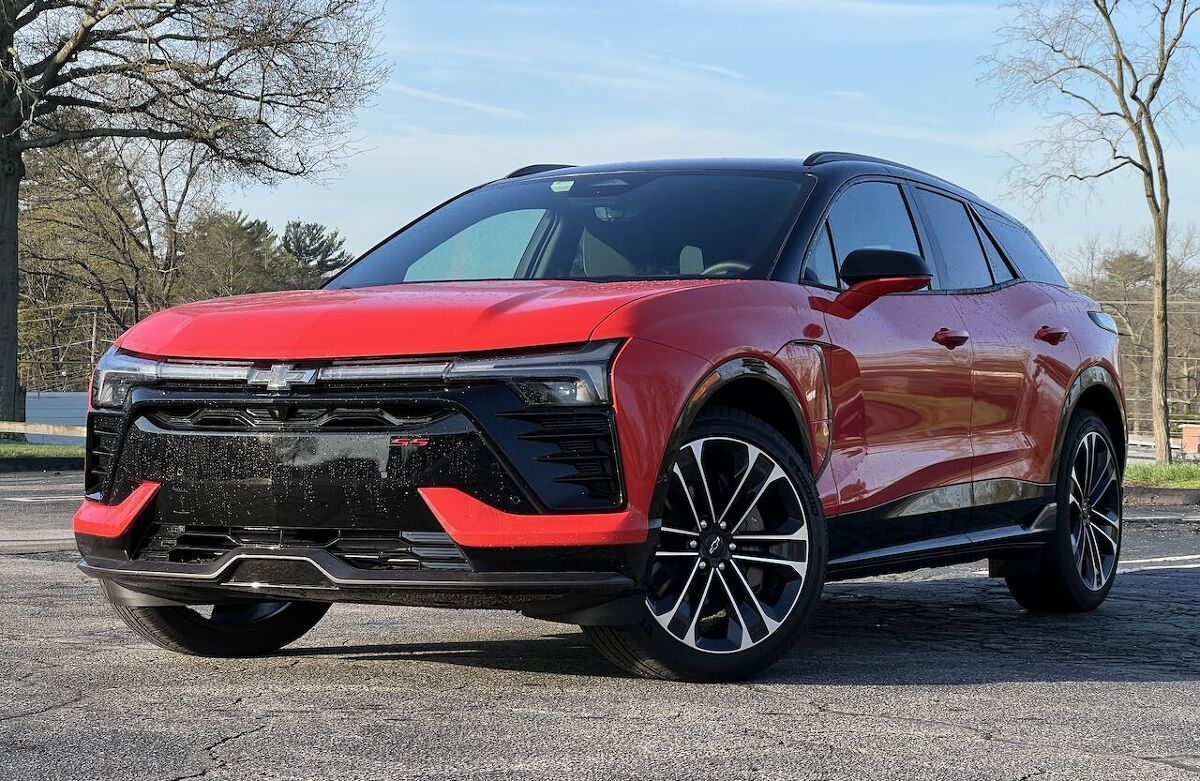
Chevy calls it an SUV, yet the Blazer’s silhouette is more wagon or bloated hatchback than truck to our eyes. It’s largely due to the long 121.8” wheelbase and the fact that the ~192” long vehicle only stands just shy of 65” tall, which is rather short compared to a proper SUV like a Toyota 4Runner (~75” tall) or even a unibody-based model like the Honda Passport (~73” tall). The height does hide the Blazer's chunky 5,730-pound curb weight well, at least.
Powertrain and Range:
Based on GM’s Ultium platform, the Blazer EV SS has a lithium-ion battery pack with 102 usable kWh. In this application, it makes 615 horsepower and 650 lb-ft of torque, and all-wheel-drive is both standard and full-time.
Despite the aforementioned close-to-three-ton weight, the Blazer EV SS does 0-60 MPH in what Chevrolet estimates at 3.4 seconds. Car and Driver clocked it at 3.3, and in the Blazer’s Cadillac Lyriq-V counterpart, yours truly clocked a 3.2-second run to 60 MPH on a cold, unprepped surface (Professional driver, closed course, etc.).
Properly mental numbers for a family car costing what this costs, and after the second hard blast in a row it starts to get uncomfortable. The repeatability of the ferocious acceleration isn’t unique to the Blazer EV SS, but that doesn’t make it any less shocking to the system.
The forceful rush doesn’t stop at 60. You can knock off 11.8-12.2 second quarter mile runs basically nonstop so long as the battery has enough juice and you engage the Wide Open Watts (WOW) mode. And no, the mode name never gets any less cringey. At least it isn’t called Watts to Freedom mode.
As for that charge aspect, the Blazer EV SS can go 303 miles between bouts of electrical replenishment. It charges at up to 190 kW on a Tesla V3 Supercharger, which is below the vehicle’s max of 250 kW but still respectable. This means you can add 75 miles or so of range in about 10 minutes, and 10% to 80% replenish in as little as 45 minutes on a high-speed DC charger. At home on a Level 2, you’re limited to 11.5 kW; this means you’ll have to refer to your own charging unit’s charge rate for how quickly it can actually add miles to the car’s range.
Let’s back up a bit, though. Charging rates vary dramatically across EVs. The Blazer EV SS had an opportunity to be unique, and yet Chevy botched the ordeal. Let us not forget, Chevy originally launched the Blazer EV in three available drivetrain configurations (a first for the industry): Front-wheel-drive, all-wheel-drive, and rear-wheel-drive. RWD, or at least the ability to run an AWD vehicle in RWD, would have differentiated the Blazer EV SS on the fun factor front. It wouldn’t have helped the 0-60 MPH and quarter-mile times, but who cares? 615 horsepower in a vehicle with roughly 45% of its weight on the front end could have made this car a hooligan. Instead, we settle for “look how quickly this can go from zero to highway speed,” which is the same statistic basically every other performance EV is leveraging.
Yawn.
Handling and Drivability:
Here’s where the SS nomenclature falters most. The Blazer EV SS just doesn’t engage you the way something with “SS” on the back should, instead trading feedback for speed. As with effectively every other electric vehicle, what you feel and experience through your hands via the steering rack is basically nonexistent. You only know where the front tires are pointed based on what direction the vehicle goes, and nothing on the road makes its way through the wheel to your nerve endings and associated sensory inputs. For most driving circumstances that’s fine, but in an SS-badged car we long for more.
Big problem then, eh? Sure is. Handling, drivability, and fun are the domains in which you want an SS to shine. Be it SS Sedan, Camaro SS, Cobalt SS, or even the SS-badged cars of yore, the driving fun factor is what makes cars falling under this moniker memorable. That aspect is sorely missed here as the Blazer EV SS drives just like any other fast EV. That’s not to diminish how easy, direct, and responsive the car is. Given its mass and size, it genuinely does handle well, and it drives great given the engineering brief that led to its existence.
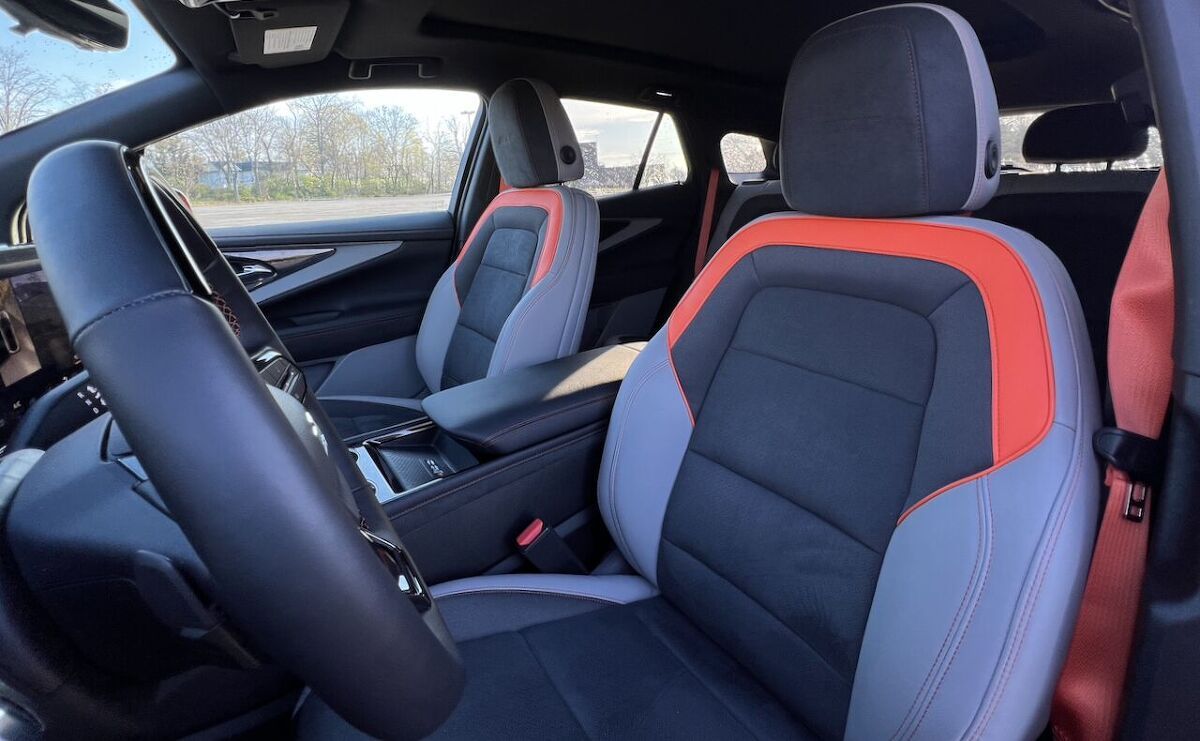
Big problem though: The seats are nowhere up to the task of dealing with how rapid this car is, whether in a straight line or in the corners. You end up bracing yourself using your knees, elbows, and any possible body part just to stay on the seat well enough to pilot the Blazer EV SS with any sort of precision. The only thing flatter than these seats, according to some Chevy fans, is the Earth itself. They really are pathetic given how quickly you can drive the car.
Competitors:
- Cadillac Lyriq-V
- Ford Mustang Mach-E GT
- Hyundai Ioniq 5 N
- Kia EV6 GT
- Tesla Model Y Performance
Ride Quality and Comfort:
All things considered — weight, price, performance — the Blazer EV SS rides quite well. It’s a bit stiff over larger bumps and road joints, but the only easy (and relatively inexpensive) way to make a vehicle of near-three-ton stature handle and accelerate this car can is to button everything down quite tightly.
That said, the ride quality is more than acceptable and is far and away better than that which you would find in some hot hatches with much lesser performance. It’s road-trip comfort with no qualms whatsoever, even if the seats are nowhere up to spinal snuff.
Interior Style and Quality
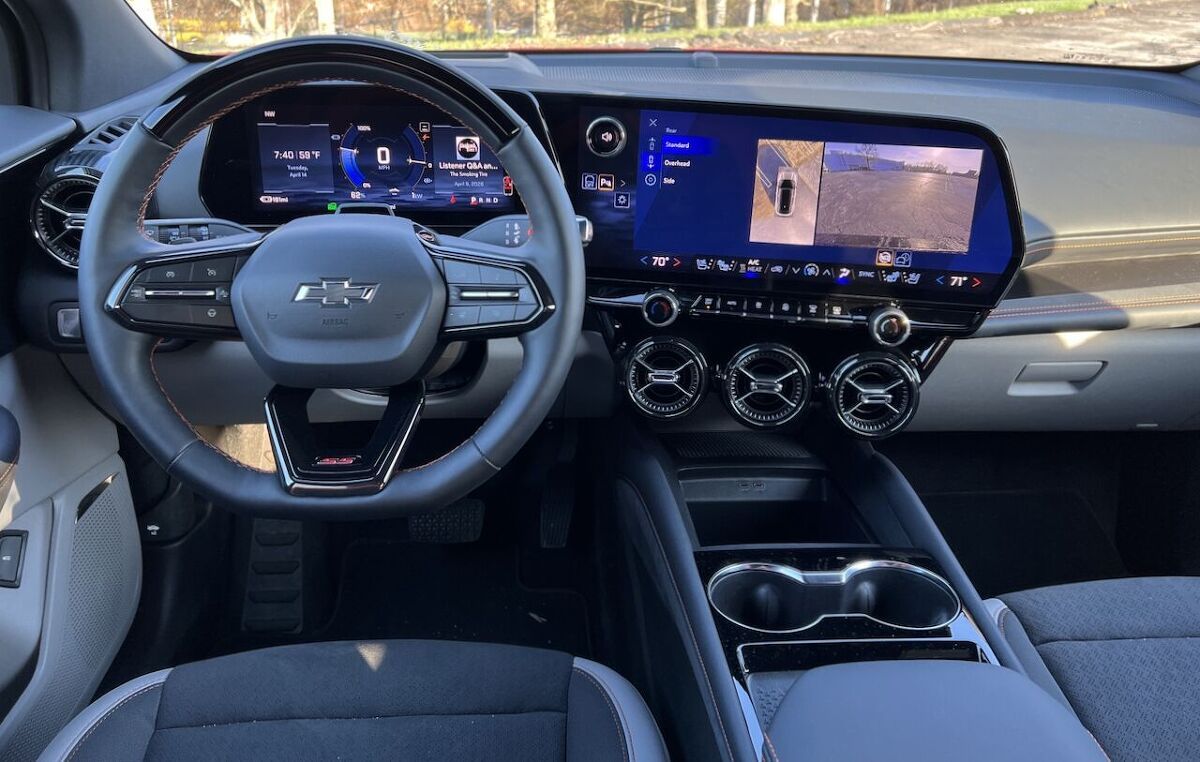
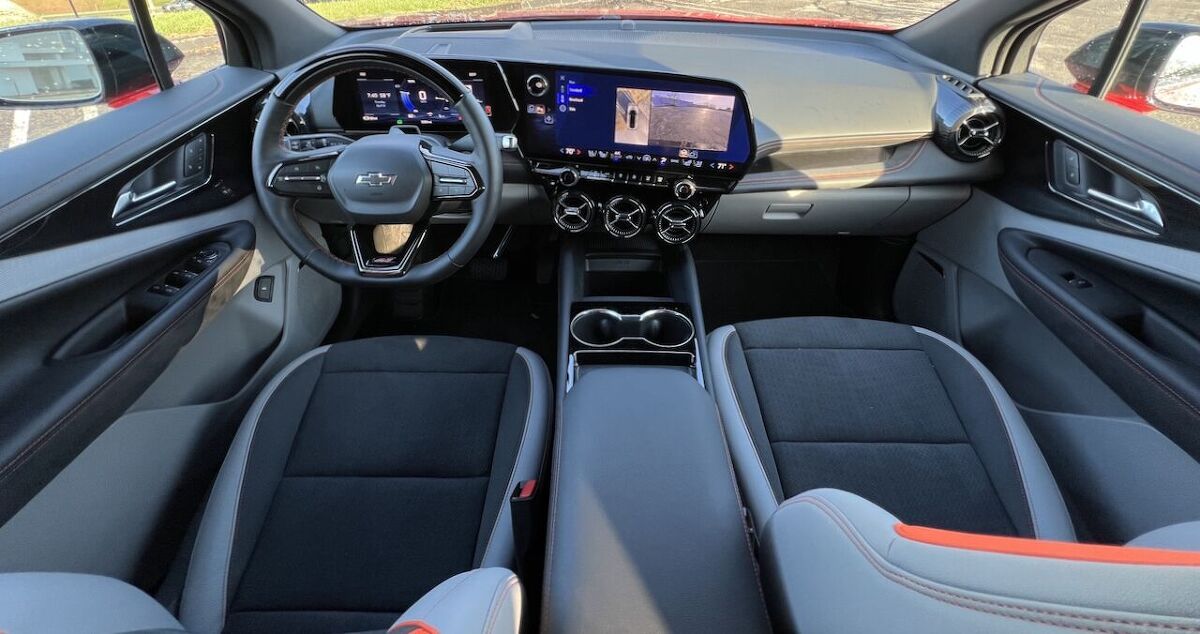
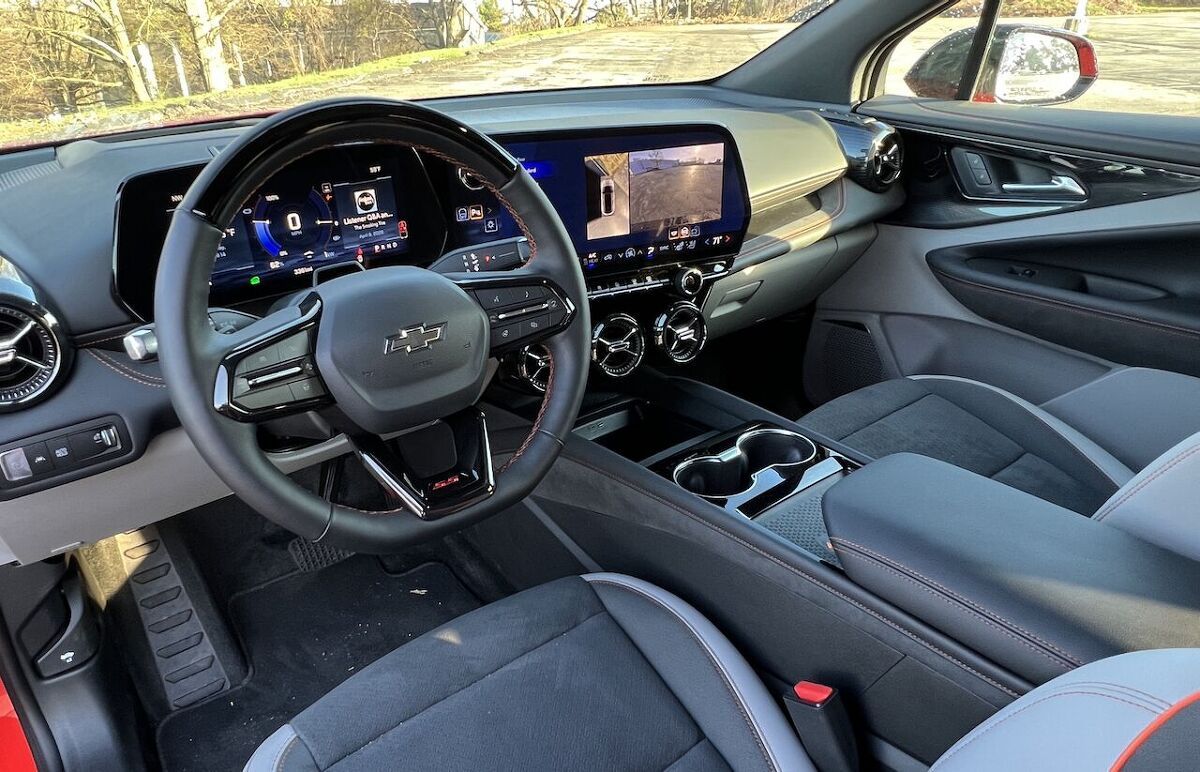
Like other Chevy vehicles as of late, the Blazer EV SS has an interior that follows the 5th- and 6th-gen Camaro cabin design motif. Big, round, shiny air vents mark the outskirts while their midship counterparts sit needlessly low beneath the infotainment stack. It looks cool, and we appreciate that there’s actual styling involved, though there are detriments (like trying to point air at your face from near-hip level).
Quality, too, is sub-optimal. There are large panel gaps, and the general material usage across the cabin is either hard, cheap plastic or flimsy, cheap plastic. You might not notice this when flooring it and knocking off fast 0-60 runs, but you certainly notice it when you regularly interact with the car as if it’s, well, a car. Especially for the roughly $65k as-tested price, Chevy could have done better than adorn the Blazer's sitting space with Trax-grade switchgear.
Our biggest problem again comes down to the Blazer EV SS not feeling like a real SS, inside or out. We have mentioned it before and will mention it again: The seats are, frankly, abysmal when compared to how fast the SS is. Not just in look or feel, but in shape and quality. These are the seats of a $25k commuter econobox, not a $65k performance EV. They hurt after an hour of time spent in them, and have the same lateral support as sitting in the carpeted trunk.
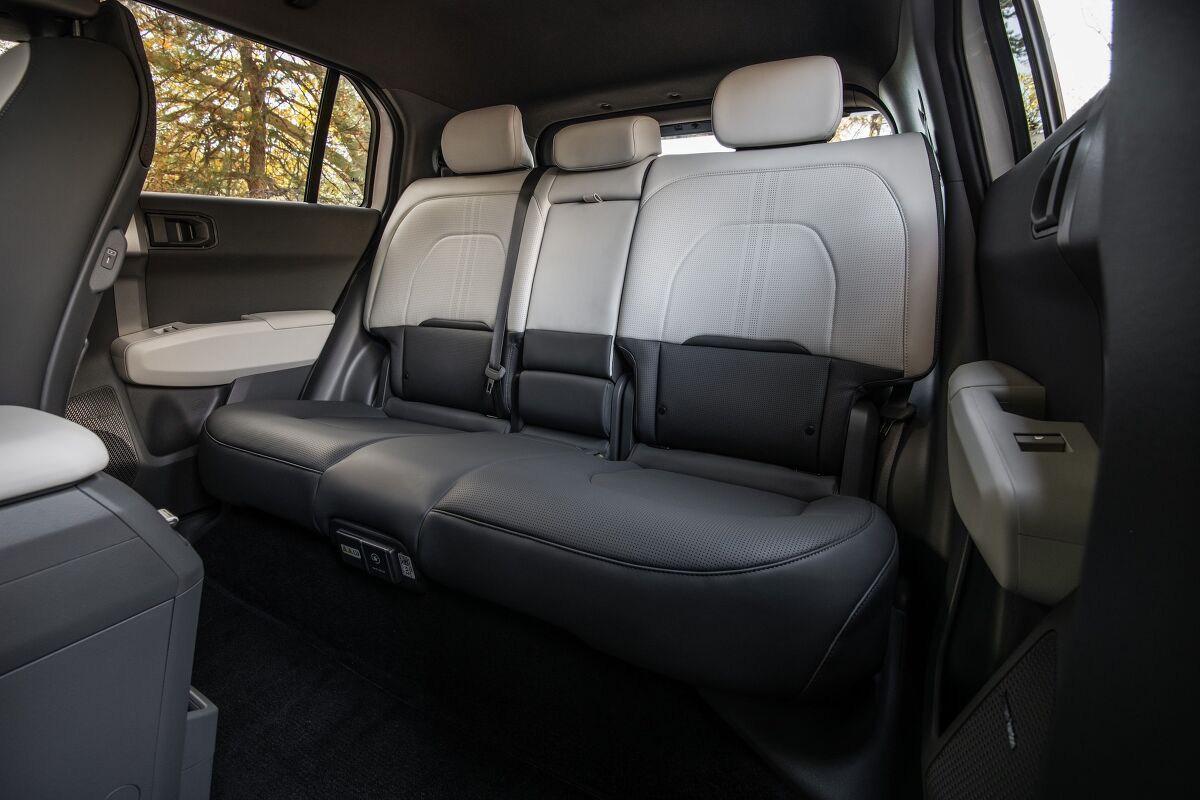
At least the interior is good and usable. The Blazer EV (even in SS guise) is a very good family vehicle. The doors open wide, the rear legroom is plentiful, installing car seats (and children) is very easy, and you can fit multiple strollers in the trunk with room to spare. This is a vehicle you can use daily without fault as far as usability goes, and we even managed to fit a rolling toolbox in the trunk when a good friend was donating it to the cause of yours truly after replacing his with something newer (thanks, Dennis!).
Technology
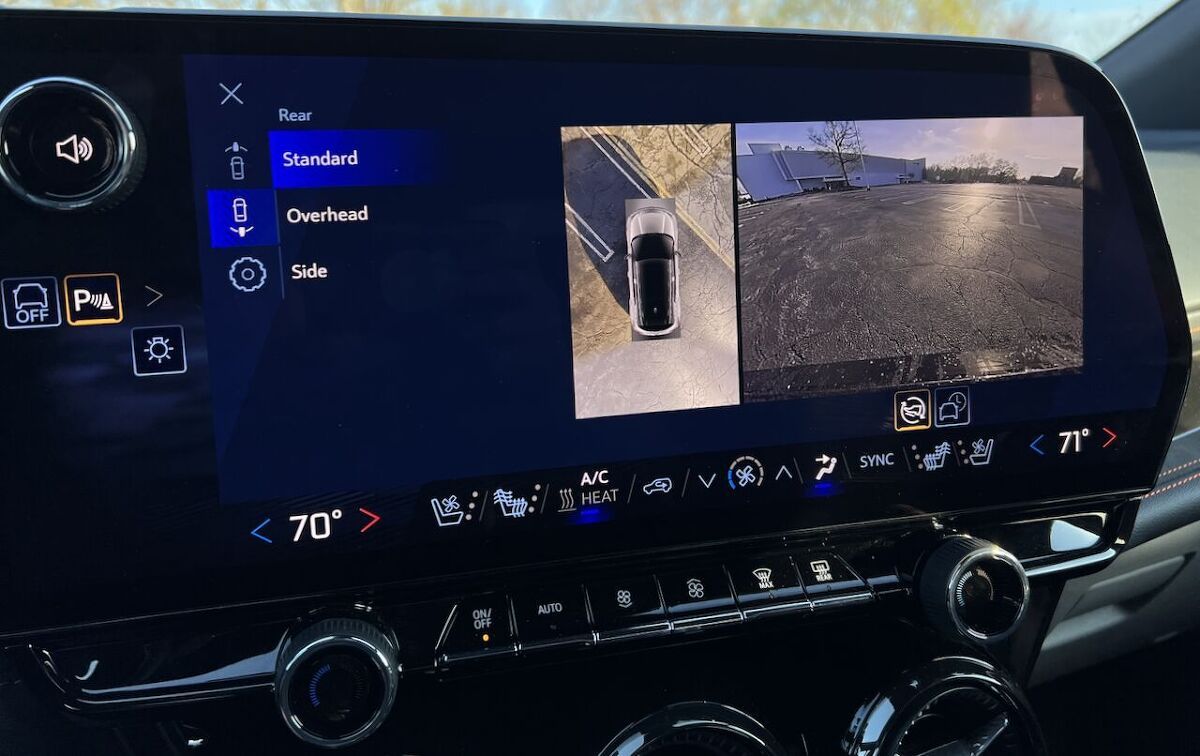
On the surface, the Blazer EV SS has good technology. The screen is pretty, the interface is quick to respond and fairly intuitive, and the way it becomes a part of the cabin and user experience is all good and cohesive.
We lament ragging on an otherwise good vehicle about this upcoming complaint, but in 2026 this omission is effectively unforgivable: The Blazer EV SS does not have Android Auto or Apple CarPlay. As such, you’re stuck with the built-in, native-to-the-operating-system navigation should you want to know where you’re going, and audio streaming exists solely via Bluetooth. Though the screen itself screams modern-day, these tech limitations might as well keep the car in 2012.
Safety tech is as expected, and it gets a “Good” as per the IIHS. GM’s excellent Super Cruise hands-free driving system is part of the package. We wouldn’t hesitate to call it among the best in the biz, if not taking the top step.
Value Dollars and Sense
The Blazer EV SS has a starting MSRP of $60,600 and, as optioned and with destination charges applied, our test unit tallied $64,090. The Cadillac Lyriq-V, which is basically a Blazer EV SS with more flair and feedback, starts at $83,795, with the one we tested earlier this year costing $87,710. Given that the Cadillac is more luxurious, quieter, has better amenities, and its seats almost justify the price delta alone.
Versus the competitors, the Mach-E GT is less expensive and better to actually drive, but it has around 20 miles less of range, not to mention the platform is starting to feel old. The Ioniq 5 N is perhaps the best class leader as far as driving dynamics go, and its pricing is right around that of the Blazer EV SS. It’s a bit rowdier and has the awesome simulated gears, though it really struggles in the range department at around 221 miles on a full charge. The EV6 GT, too, can only go maybe 240 miles on a full charge, and its price hovers around the $63k mark.
We would rather not discuss the bland-as-bland-gets Model Y Performance, but it can match the Blazer EV SS’ range and costs a few grand less while also matching its price. On the opposite side of the excitement is the Genesis GV60 Magma, which costs around $69k but is a budget Bentley on the inside, not to mention a great thing to experience (aside from its 222-mile range).
All of this puts the Blazer EV SS in a very solid place in the value proposition realm, given its range and performance on tap, if not as much as it is, in fighting the Model Y Performance for the lead. And we know which one we’d rather drive and tell people we’re driving.
Final Thoughts:
There’s a lot to like about the 2026 Chevrolet Blazer EV SS.
It’s fast, practical, usable as a family car, has good electric range, and (at least in Habanero Orange) stands out in a crowd. However, it just lacks the spice and seats to really justify the SS badge, and we can’t help but feel it has an identity crisis: A Blazer should be an SUV, but this is a performance-focused hot-wagon/hatch. Remember the Trailblazer SS? It’s the same mess, twenty years later. Good on paper, at least, isn’t it? Well, it’s good in reality too. But it could be better, and we’d start with the seats and steering.
(The manufacturer provided insurance and a tank of "fuel "for this loan, and big thanks as always to the team at FMI for arranging and coordinating logistics. - RB)
| Category | 2026 Chevrolet Blazer EV SS |
|---|---|
| Powertrain | 8 / 10 |
| Efficiency | 8 / 10 |
| Handling and Drivability | 7.5 / 10 |
| Passenger Comfort | 6 / 10 |
| Ride Quality | 3.5 / 5 |
| Exterior Style | 3 / 5 |
| Interior Style and Quality | 7 / 10 |
| Infotainment | 7 / 10 |
| Cargo Capacity and Towing | 4 / 5 |
| Safety | 4 / 5 |
| Value | 8 / 10 |
| Emotional Appeal | 6 / 10 |
| TOTAL | 72 / 100 |
| PROS | CONS |
|---|---|
| Fast by any stretch of the word | Would be faster if it wasn’t so heavy |
| Useful and practical interior | Truly sub-par front seats |
| Reasonably priced | Cheap and cut-rate materials aplenty |
| Useful interior | No Android Auto or Apple CarPlay |
| Good electric range and charging speed | Doesn’t feel special |
| Super Cruise continues to impress | No frunk |
| Specifications | 2026 Chevrolet Blazer EV SS |
|---|---|
| Engine/Motor | Dual-motor, permanent-magnet drive motors |
| Output: | 615 hp and 650 lb-ft |
| Drivetrain: | AWD |
| Transmission: | Single-speed direct-drive automatic |
| Range: | 302 miles |
| Range (Canada): | 488 km |
| Starting Price USA | $62,095 (incl dest) |
| Starting Price Canada | $85,896 (incl dest) |
| As Tested Price USA | $64,090 (incl dest) |
| As Tested Price Canada | $88,656 (incl dest) |
■